
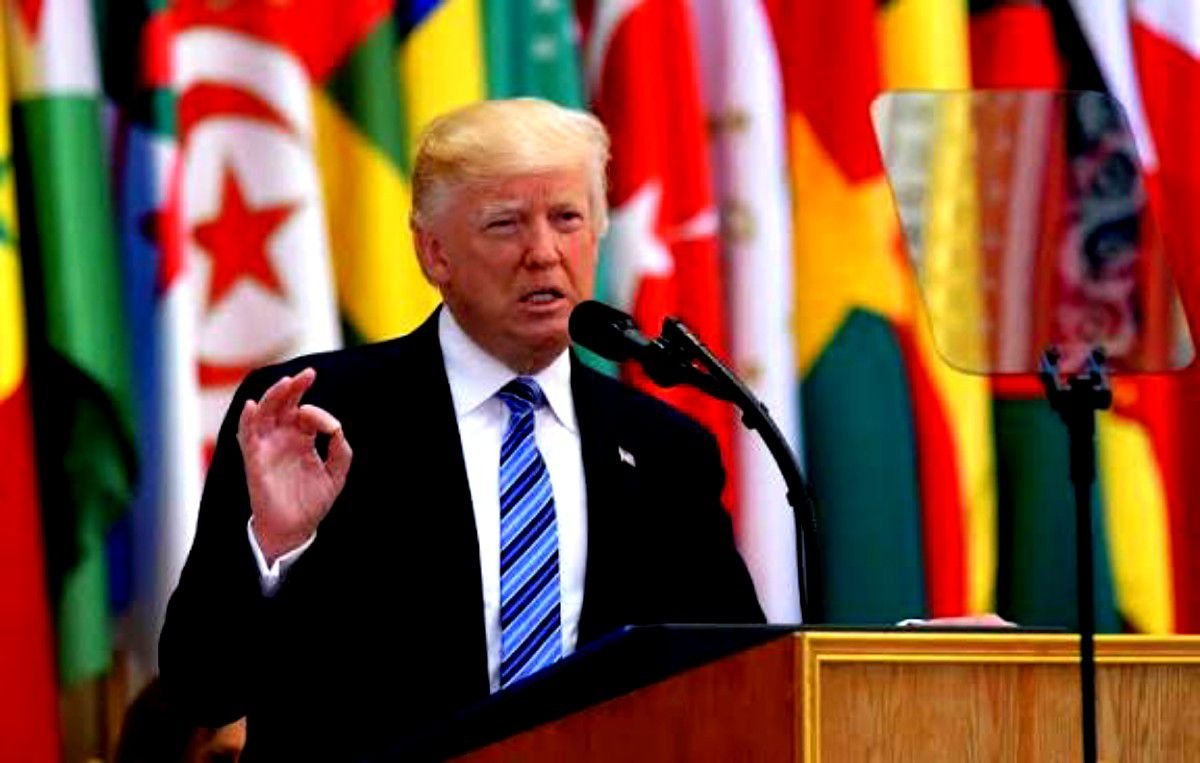
The Context of the Address
As Donald Trump prepares to address the nation, it is essential to examine the current political landscape that shapes this moment. The political environment has seen significant turbulence in recent months, marked by critical events such as the ongoing debates regarding economic policy, healthcare reform, and national security. These topics are not only pivotal for the administration but also resonate deeply with the American public, which is increasingly divided on these issues.
In addition to specific policy debates, public sentiment is influenced by a flurry of developments, including mid-term election strategies, the effectiveness of new legislations, and international relations challenges. The media coverage surrounding these themes plays a crucial role in shaping perceptions of Trump’s leadership and policy decisions. Moreover, Trump’s address comes at a time when polling indicates fluctuating approval ratings, driven by both his supporters and vocal critics.
The upcoming address serves as an opportunity for Trump to reinforce messages that resonate with his core base, potentially addressing their concerns and aspirations. His supporters are likely anticipating a reaffirmation of his commitment to prioritizing their interests, particularly regarding immigration, job creation, and law enforcement. Contrastingly, critics will be vigilant, seeking to dissect his rhetoric for any signs of division or misinformation.
The significance of Trump’s address extends beyond immediate political ramifications; it signals his ongoing influence within the Republican Party and his ability to mobilize support. As he navigates this complex landscape, the address will also reflect how effectively he can engage with the broader public while attempting to minimize backlash from dissenters and maximize loyalty from his base. Such a delicate balance will be crucial for his political future in an increasingly polarized environment.
Key Themes and Topics
As the nation prepares for Donald Trump’s upcoming address, several key themes and topics are anticipated to take center stage. National security remains a paramount concern, particularly in light of recent global events. Trump is expected to outline his administration’s stance on foreign policy, potentially addressing ongoing conflicts and relations with key nations. Discussions surrounding military funding and strategies may also arise, emphasizing his commitment to safeguarding American interests both domestically and internationally.
Another critical area likely to be highlighted is economic policy. Historically, Trump has portrayed himself as a champion of economic revival, focusing on job creation, tax reforms, and deregulation. During his address, he may discuss recent economic indicators, cite achievements from his previous term, and propose new initiatives aimed at stimulating growth in various sectors. This topic is often tied to his broader messaging strategy aimed at appealing to working-class voters who feel left behind by traditional economic policies.
Healthcare reform is also expected to be a significant theme. In previous speeches, Trump has criticized existing healthcare systems while promoting alternative options that align with his vision for a better healthcare framework. Expect discussions about prescription drug prices, the Affordable Care Act, and potential reforms that could resonate with voters concerned about healthcare access and costs.
Finally, the address may touch on pressing current events or crises, potentially related to issues like immigration, public safety, and social policies. By leveraging these timely topics, Trump aims to assert his relevance in contemporary political discourse while rallying his base around issues that matter to them. Each of these themes is not only critical on their own but also interwoven with the overarching narrative that Trump has cultivated over the years, thereby reinforcing his messaging strategies.
Public Reaction and Media Coverage
The upcoming address by Donald Trump is anticipated to evoke a wide array of reactions from the public, which will likely vary among different demographic groups. Supporters of Trump may view the address as an affirmation of his policies, while critics may interpret it as another attempt to galvanize his base in the face of ongoing controversies. Polling data prior to the address suggests that younger, more liberal demographics remain largely critical, while older, conservative populations express a stronger alignment with his viewpoints. The framing of Trump’s speech is crucial; it will not only influence immediate reactions but also shape long-term perceptions of his political standing.
Furthermore, the media’s role in the public response will be profound. Major media outlets are expected to cover the address with a mix of journalistic rigor and editorial bias, which could significantly impact how different audiences interpret the message. Headlines may vary, with some networks focusing on key points of policy, while others emphasize the divisive nature of Trump’s rhetoric. Expert analysis will be essential, as political analysts will provide insights into the address’s implications for Trump’s future viability as a candidate in upcoming elections. The immediate aftermath is likely to overwhelm social media platforms with reactions, often polarized along political lines.
Moreover, the narrative constructed by news outlets over the following days will shape public discourse. Expect a medley of predictions from political experts commenting on his overall effectiveness in rallying support and fortifying his image. This multifaceted coverage will not only reflect the media’s contextual interpretation but will also influence how different segments of the population assess Trump’s message. Therefore, understanding both public sentiment and media coverage will be crucial in gauging the overall impact of Trump’s address on his political landscape.
Implications for the Future
The upcoming address delivered by former President Donald Trump is likely to carry significant implications for his future political endeavors. Given Trump’s substantial influence within the Republican Party, the address may serve as a pivotal point in defining party dynamics as the nation approaches the next round of elections. Observers will be keen to analyze how his rhetoric may shape voter sentiment and, consequently, the overall strategies of GOP candidates in upcoming races.
Furthermore, Trump’s address could potentially revive or quell speculations about his intentions for the 2024 presidential election. If his speech resonates well with his base, it may embolden him to solidify his candidacy, thereby impacting the crowded field of Republican hopefuls. Conversely, a lackluster response could lead to questions about his viability as a candidate and create openings for other party members to assert themselves in the race.
On a broader scale, Trump’s address may be instrumental in shaping the discourse surrounding key policies that define the Republican Party’s agenda. As he addresses issues ranging from border security to economic recovery, his stances could galvanize support from particular voter segments, consequently influencing party strategies and priorities leading into the elections.
Moreover, the long-term consequences of Trump’s address may extend beyond immediate electoral impacts; his ability to unify or further divide party factions could have lasting effects on the GOP’s cohesion. This is especially pertinent as the party seeks to navigate an increasingly polarized political landscape. Thus, all eyes will be on how Trump’s address resonates with both party loyalists and the independent voters, ultimately determining his place within American politics for years to come.